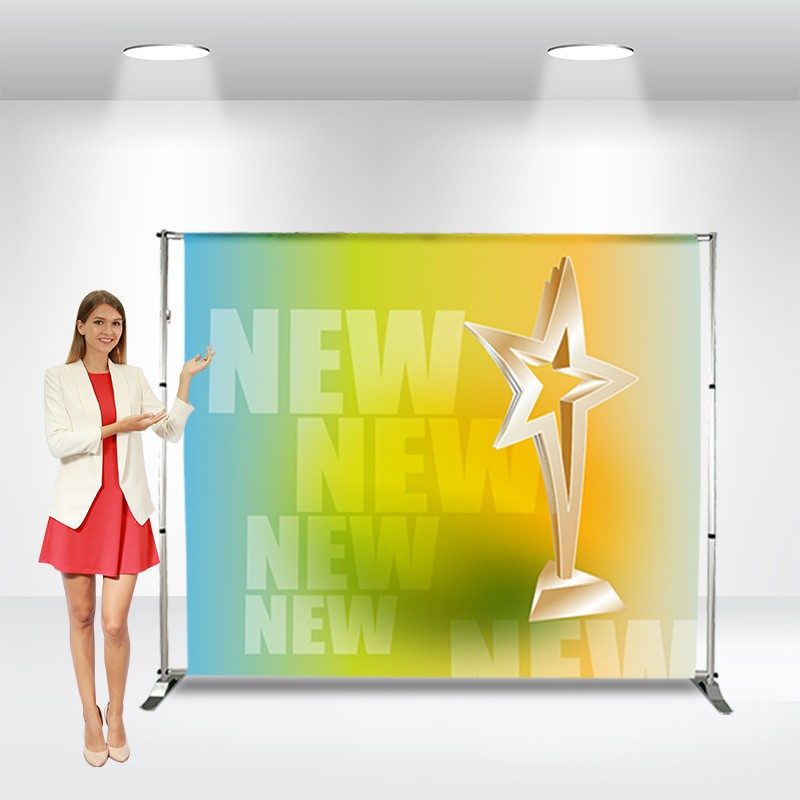
How a tension fabric backdrop works
The graphic is printed edge to edge on 240 g stretch fabric and fits over a tube frame like a pillowcase. It tightens as it goes on, so the wall looks smooth and packing creases stretch out.
Compared with a hanging vinyl banner, there's no glare under show lighting, and the fabric folds into a bag instead of a long tube. That makes it practical for exhibitors who ship to several shows a year. Flame-retardant fabric is available for indoor venues, with NFPA 701 / CPAI-84 test documentation on request.
Straight or curved
- Straight: a flat wall. It lines up with the back of an inline booth and is the simplest to design for, since the artwork stays flat.
- Curved: the wall wraps slightly around the booth, which frames the space and looks more finished from the aisle. Text near the ends bends away from view, so keep it toward the center.
Ask us for the frame shapes and sizes we can supply, and send the booth dimensions from your exhibitor kit with your quote request.
Designing the back wall
A backdrop is read from across the aisle, over the heads of the people in your booth. Design it in bands:
- Logo and a short line about what you do go high, above head height, so they show over a crowd.
- The middle band carries a picture or a few words, not a paragraph.
- The lower band sits behind your table and staff. Give it color, not information.
- Run the background color past the edges so it wraps the frame cleanly.
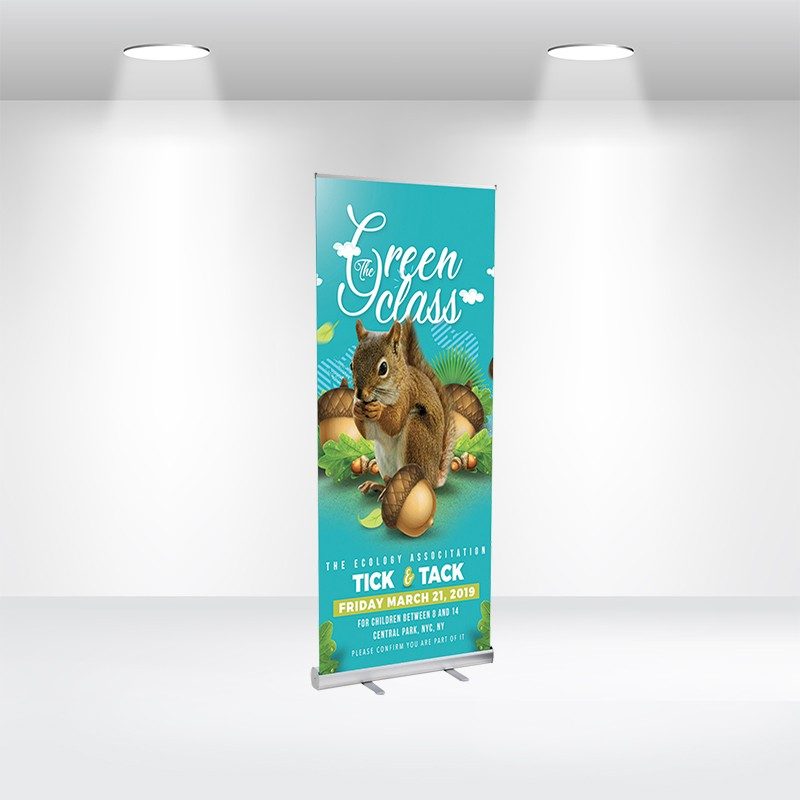
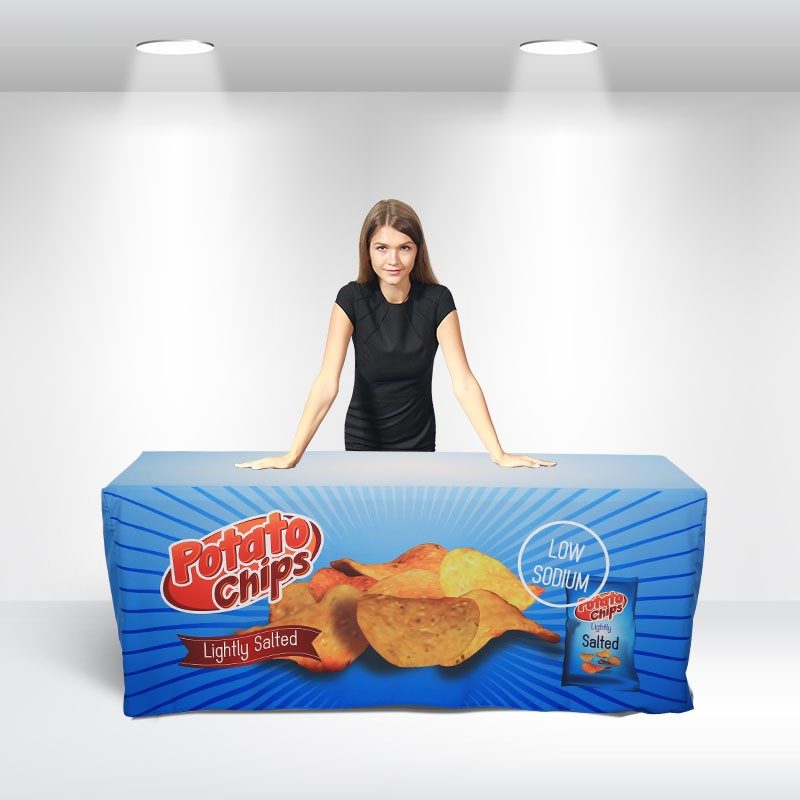
Use the same colors on a matching trade show table cover, and plan the two together. Add a retractable banner for a second message, or a step and repeat if your event needs a photo wall.